
Setting up a workshop isn’t just about having the right tools—it’s about arranging them efficiently so every project flows smoothly. A thoughtful layout improves safety, productivity, and comfort, whether you’re a professional tradesperson or a passionate hobbyist.
1. Plan Around Workflow
The most effective workshop layouts are designed around your workflow. Think about the sequence of tasks you perform most often:
- Material storage → preparation → assembly → finishing → cleanup
By arranging your tools and workstations in this order, you minimize unnecessary movement and streamline your projects.
2. Prioritize Safety and Accessibility
Safety is paramount. Keep heavy tools at waist height to reduce lifting strain, and store sharp or hazardous tools in designated areas. Ensure clear walkways and sufficient space between workstations to prevent accidents.
Accessibility matters too—frequently used tools should be within arm’s reach, while rarely used equipment can be stored further away.
3. Maximize Storage Solutions
Smart storage keeps your workshop tidy and functional. Consider:
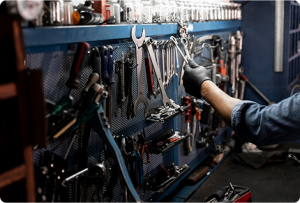
- Wall-mounted tool racks for easy visibility
- Mobile tool carts for flexibility
- Cabinets and drawers for small components
- Pegboards for quick organization
Efficient storage not only keeps your workshop neat but also ensures tools last longer and are easy to find.
4. Optimize Workbench Placement
The workbench is the heart of any workshop. Place it in a central location with ample surrounding space to maneuver freely. Ensure it has sufficient lighting and power outlets nearby to support a range of tasks.
5. Consider Zones
Divide your workshop into functional zones, such as:
- Cutting and preparation
- Assembly and finishing
- Storage and inventory
- Cleaning and maintenance
This zoning approach reduces clutter, keeps workflows smooth, and ensures each area serves a specific purpose.
6. Lighting and Ventilation
Good lighting is crucial for accuracy and safety. Natural light is ideal, but supplement with overhead and task-specific lighting for precision work. Proper ventilation keeps the air clean and comfortable, especially if your projects involve dust or fumes.
7. Keep Flexibility in Mind
Your needs may change over time, so design your workshop to be adaptable. Mobile storage units, adjustable shelving, and modular workstations allow you to reconfigure the layout as projects or equipment evolve.
Conclusion
A well-planned workshop layout isn’t just functional—it’s transformative. By focusing on workflow, safety, storage, and flexibility, you create a space that supports efficiency, precision, and creativity.
Invest time in planning your layout today, and your workshop will reward you with years of productive, enjoyable work.